Anti-Aging Benefits of Exercise

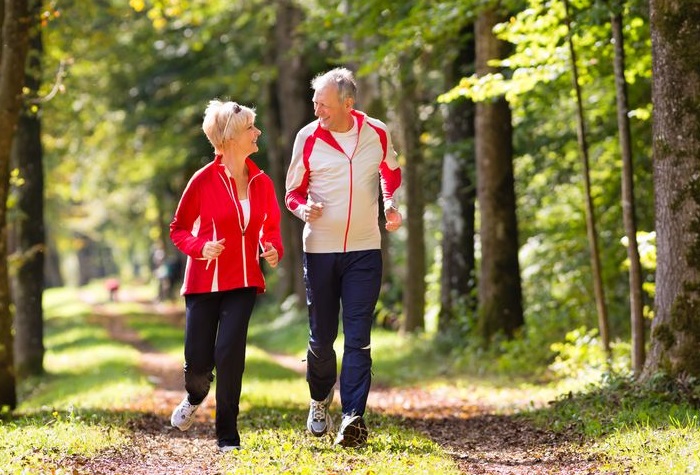
Before you come up with an excuse to skip the gym—or snooze through your morning walk—pause and consider the powerful anti-aging benefits of exercise.
A consistent workout routine can boost daily energy, help maintain a healthy body weight, and do far more for your aging body than most people realize. Below are ten evidence-based reasons to keep moving.
Top Anti-Aging Benefits of Exercise
1. Exercise lowers your risk of heart disease and cancer
Anti-aging goes far beyond smoothing wrinkles. Regular exercise and proper nutrition strengthen your heart, support every major organ, and even benefit your skin.
Research consistently shows that people who invest in fitness are less likely to develop cardiovascular disease or cancer. For those already diagnosed with heart disease, remaining physically active can reduce the impact of the disease and lower their risk of death from other causes. These are the foundational anti-aging benefits of exercise.
2. Exercise keeps your body youthful at the cellular level
Telomeres are protective caps at the ends of chromosomes that help keep cells strong and healthy. As we age, the telomeres shorten, increasing disease risk and accelerating aging.
Research now shows that regular, vigorous exercise helps preserve telomere length, supporting healthier cellular aging. In effect, consistent movement can slow aspects of the biological aging process.

3. Routine exercise improves lung function as you age
Challenging exercise increases your breathing rate, conditioning both the lungs and heart to deliver oxygen more efficiently while removing carbon dioxide.
As exercise becomes easier, it’s because your lungs and cardiovascular system have become more efficient. This improved function allows you to breathe easier and remain active as you grow older.
4. Physical fitness supports cognitive performance
While research continues to explore exercise's effects on Alzheimer’s Disease or dementia, a clear relationship exists between cognitive functioning and physical fitness.
People with higher fitness levels consistently perform better and react faster on cognitive tests. Your brain—like every other organ—benefits from regular exercise.

5. Exercise improves balance and reduces the risk of falling
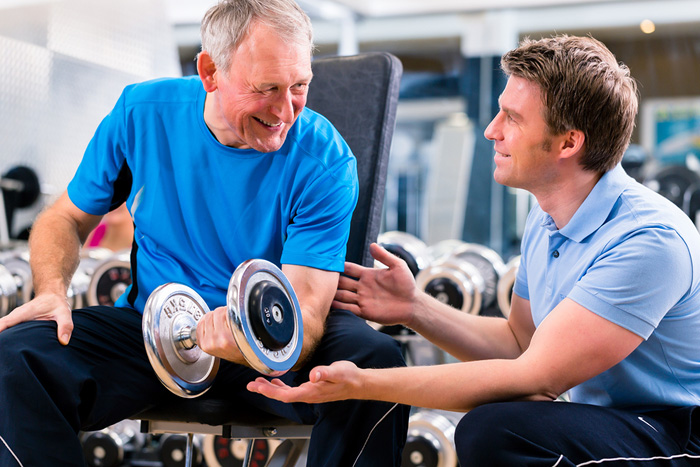
Falls are often viewed as an inevitable part of aging, but they don't have to be. Activities such as walking, swimming, resistance training, and stretching improve balance and strengthen muscles, helping you move confidently and safely through daily life.
Better balance means fewer falls and fewer injuries.
6. Physical fitness influences how well your body recovers from injury
People who remain physically fit often heal faster and recover more effectively after injury. One study found that ballet dancers with higher aerobic capacity experienced fewer injuries and faster recovery times than those with lower fitness levels.
You don’t have to be a ballet dancer to benefit—consistency is what matters.
7. Exercise reduces cancer risk
Some of strongest evidence supporting the anti-aging benefits of exercise comes from cancer prevention research. Higher levels of physical fitness are associated with reduced risk of colon, breast, and endometrial cancers, with potential protective effects against other types as well.
8. Exercise helps prevent type II diabetes
How many people do you know with type II diabetes? Some people consider it to be a normal part of aging—but it isn't. Research shows that people who exercise regularly and maintain higher fitness levels are significantly less likely to develop diabetes.
Movement is one of the most powerful preventive tools we have.
9. Exercise improves mitochondrial function
Mitochondria are responsible for producing energy in every cell of your body. Their efficiency declines with age—but exercise helps reverse that trend.
Cardiovascular activity, especially high-intensity interval training (HIIT), has been shown to significantly improve mitochondrial function. Even brisk walking and jogging can provide meaningful benefits. One study in particular found that High Intensity Interval Training (HIIT) was more effective for mitochondrial activity than strength training.

10. Exercise improves mood and overall well-being
Perhaps this is one of the most important anti-aging benefits of exercise is its effect on mood. Physical activity triggers hormonal changes that elevate mood, reduce stress, and promote emotional well-being.
Feeling better mentally supports healthier aging physically—and there's no better cosmetic than a genuine smile.
Now that you understand the anti-aging benefits of exercise, it’s time to commit to a workout routine and get started. What can you do to help your body age beautifully?
Final Thought
Now that you understand the anti-aging benefits of exercise, the next step is commitment. What choices can you make today to support a stronger, healthier future?
Your body is listening.
BONNIE'S FAVE!
Merach Recumbent Stationary Exercise Bikes With Blue Tooth
Great for Rehabilitation and Physical Therapy
Available upgrades include: padded seat with ergonomic backrest, car-style gear shifter, and heartrate tracking
More Topics That May Interest You










Some of the advertisers on my website are affiliate partners, which means that I may receive a small commission from any sale, at no extra cost to you.
For example, the Amazon affiliate advertising program is designed to provide a means for sites to earn fees by advertising and linking to amazon.com.
Your tips and purchases help to support this free-information website.
Thank you.
The content of this website is for informational purposes only and not intended to be taken as a replacement for professional medical advice, care, diagnosis or treatment by a doctor, dietitian, physical therapist, nutritionist or fitness instructor.
DO NOT BEGIN ANY EXERCISE PROGRAM WITHOUT CHECKING WITH YOUR DOCTOR FOR UNDERLYING CONDITIONS THAT MAY PREVENT YOU FROM DOING SO.